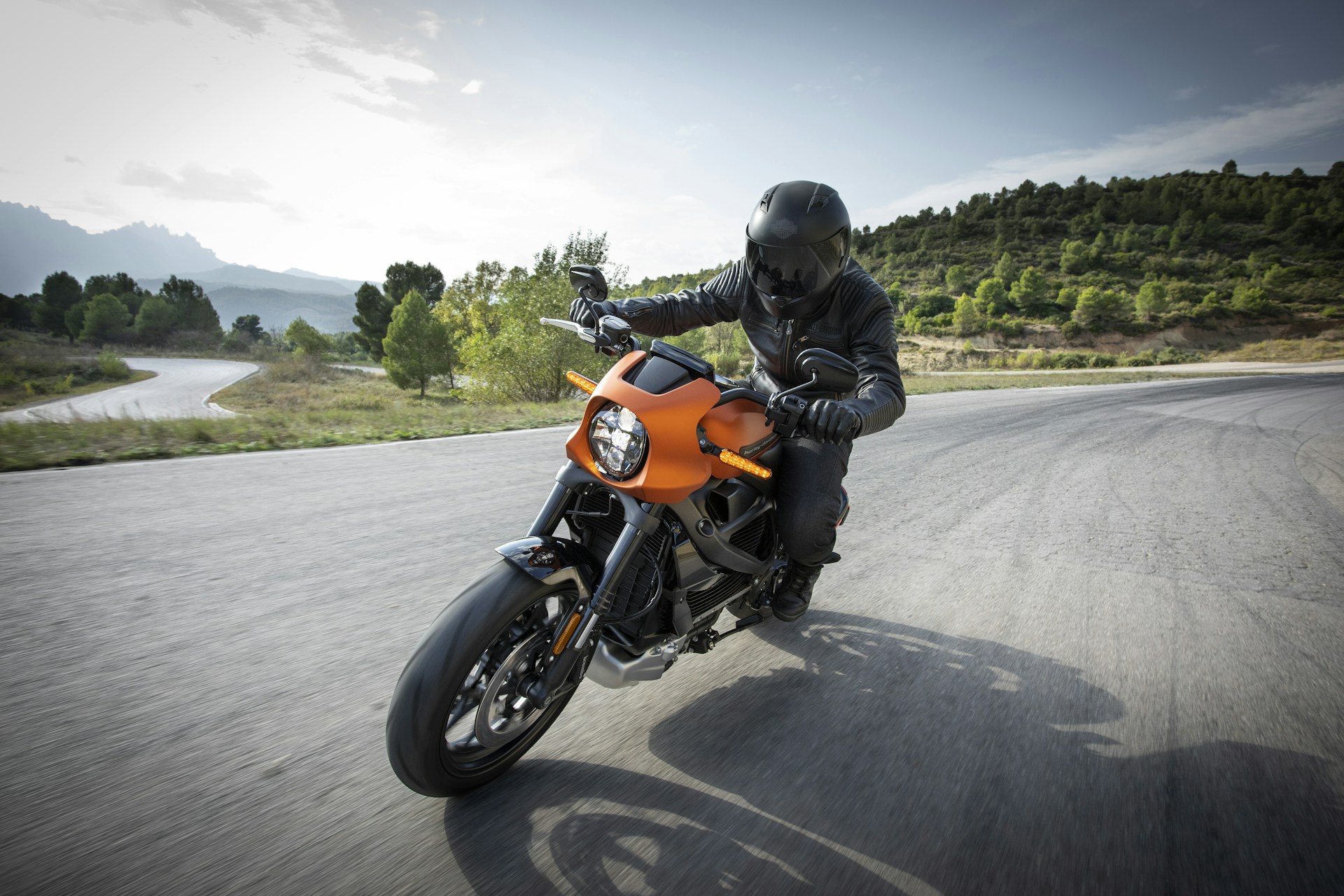
While not explicitly stated in Missouri law, lane splitting is not legal for motorcyclists. It’s also considered unsafe for riders as well as any nearby vehicles. Lane filtering and lane sharing are also illegal in the state of Missouri.
Motorcyclists can suffer serious and even life-changing injuries when involved in lane splitting crashes. Getting compensation for those injuries and the financial instability they create is critical. As a victim, violating traffic laws can put fault on you and reduce your compensation.
The Kansas City motorcycle accident lawyers at CPY Law want to explore lane splitting in more detail and how it could impact your collision case. If you need to speak with an attorney about your crash and potential legal options, contact our law office today. Consultations are free and no-obligation.
Key Takeaways
- Lane splitting is not legal in Missouri even though there is no explicit mention of it in state law.
- Lane filtering is when motorcycles ride between vehicles that are stopped or moving very slowly. This is also not permitted under Missouri law.
- Lane sharing is when two vehicles occupy the same lane at once. Like lane splitting and lane filtering, lane sharing is illegal.
- Lane splitting, lane filtering, or lane sharing does not automatically bar you from seeking compensation in a crash. There may be reasons why you were engaging in these actions, such as an attempt to avoid a collision with a nearby vehicle.
- An attorney can help you push back against biases held against motorcyclists. This can be helpful when insurance companies claim you share more blame for the collision than the facts show.
Current Legal Status of Motorcycle Lane Splitting in Missouri
There is no Missouri lane splitting motorcycle law that explicitly outlaws or allows lane splitting. That does not mean lane splitting is legal in Missouri. RSMo § 304.015 establishes rules for vehicles traveling on multi-lane roads.
The law states that for any roadway “divided into three or more clearly marked lanes for traffic,” vehicles must be driven “as nearly as practicable entirely within a single lane…” When engaging in lane splitting, motorcycle operators violate this law by riding between parallel lanes of traffic that move in the same direction.
Can I Get a Traffic Ticket for Lane Splitting on a Missouri Interstate?
Yes, you can get a traffic ticket for lane splitting on the interstate or on a city street.
Even though lane splitting goes unmentioned by name in Missouri law, traffic codes make the behavior unlawful, and it is treated as such by law enforcement and insurance companies.
Lane Splitting vs. Lane Sharing vs. Lane Filtering: What’s the Difference?
The terms sound similar, but lane filtering, lane sharing, and lane splitting represent distinct maneuvers by motorcyclists.
Regardless of the differences in lane sharing, lane filtering, and lane splitting in Missouri, these practices all involve riding between lines of traffic and violate state traffic laws.
Lane Sharing
Lane sharing occurs when motorcyclists ride side-by-side in the same lane.
The Missouri Department of Revenue (DOR) Motorcycle Operator Manual states, “Cars and motorcycles need a full lane to operate safely. Lane sharing is usually prohibited.” In its Motorcycle Safety guide, the Missouri Department of Transportation (MoDOT) states lane sharing “is never recommended.”
Lane Filtering
Roads with intersections and traffic signals are typically lower-speed roads than highways. Lane filtering is when a motorcyclist travels between lanes to get by vehicles that are completely stopped (in traffic or at a red light) or traveling slowly.
This is also not permitted by law even though there is no explicit language about the practice.
Missouri Bill Regarding Lane Filtering and Lane Splitting
Some states have made lane splitting legal and claim it promotes a safer riding experience.
The Missouri Legislature recently considered SB 1369. The bill represented an effort to “define and regulate lane splitting and lane filtering.” It would have allowed lane filtering, while prohibiting lane splitting.
Three prior attempts at similar laws failed in 2023, 2024, and 2025. The same outcome applies to SB 1369. The bill did not pass and was declared “dead” on May 15, 2026.
How Lane Splitting Affects Fault Determination in Motorcycle Crashes
Missouri lane splitting motorcycle law can affect fault determination after a crash.
Missouri law requires vehicle operators to ride within lanes. If you are lane splitting when involved in a crash, that factor could count against you and increase your assignment of fault. The other side’s insurance company will certainly try for this outcome. They will emphasize the risks involved in lane splitting and likely work to present your behavior as reckless.
What Happens If a Car Changes Lanes and Strikes a Motorcycle That Was Lane Splitting?
The outcome of this scenario depends on the answers to other questions. Did the driver signal the lane change? How fast was traffic moving? What were the visibility conditions? Was the motorcycle rider otherwise driving safely?
An experienced attorney can find answers to these and other important questions to determine how much each party contributed to the accident.
No matter what the other side’s insurance representative may say, do not assume you are without legal recourse when involved in a crash while lane splitting.
You Are Not Automatically at Fault for Lane Splitting
Your lane splitting does not automatically put you at fault. The overall circumstances of the accident matter, and the attorneys at CPY Law can analyze the crash to uncover those circumstances. The driver who hit you may have failed to signal movement into another lane. They might have been weaving aggressively in and out of lanes or driving while distracted.
Your behavior matters too. You may have only engaged in lane splitting to avoid a rear-end crash when the car in front of you came to an abrupt stop. The speed of traffic and your own speed can also affect fault.
Missouri Comparative Negligence and Motorcycle Accident Liability
Missouri adopted a system of pure comparative fault in 1983, through a landmark case discussed in the Missouri Law Review. This system puts the onus on negligent parties to pay for the damage they cause. Injury victims can seek compensation for their losses even if they share in the blame for the crash.
You can still seek compensation if you are partly or mostly at fault for an incident. Your compensation is reduced by your share of liability.
An Example of How Pure Comparative Negligence Works
For example, if you are found 30% to blame for a motorcycle collision and the other side 70%, you can collect 70% of the total calculated amount of your damages. You own the financial responsibility for the other 30%.
Overcoming Bias Against Motorcyclists in Lane Splitting Claims
Motorcyclists face biases that can affect their fault status and compensation. The default position of insurance adjusters and other drivers is often to perceive bikers as aggressive, dangerous vehicle operators. Sometimes, even members of law enforcement hold this perspective, which can affect how they write crash reports.
When lane splitting is a factor in a crash, those holding biases can feel validated and lean into that violation far more than is warranted when citing fault. Our team can expose biases and mitigate their effects on your claim. We will undertake a thorough investigation of the crash, working to dismantle assumptions of aggression and danger.
We will also work to collect thorough evidence showing the other side’s negligence. If your case goes to trial, we can prepare you to challenge potential jury bias. Juries will be evaluating your demeanor, tone of voice, and responses. You can show them their assumptions about motorcyclists are wrong and should not serve as the basis for a decision.
Essential Traffic Safety Rules for Motorcyclists on Missouri Highways
The Missouri State Highway Patrol’s (MSHP) information on Motorcycle Safety includes traffic rules for motorcyclists traveling Missouri roads and highways. To stay safe and avoid collisions, riders must:
- Stay visible and avoid traveling in other drivers’ blind spots
- Learn to anticipate other drivers’ moves and practice defensive driving
- Be extra careful in snowy, rainy, windy, or other inclement weather situations
- Wear approved safety gear to prevent even more serious injuries if involved in a crash
- Go through proper licensing procedures
- Keep the bike in safe condition, from headlights to rear brakes
Motorcyclists must follow the same traffic laws as other vehicle operators. It is unlawful to speed, drive while under the influence of alcohol or drugs, or violate traffic regulations. No driver should operate a vehicle while fatigued or distracted.
Does Riding without a Helmet Impact Liability If Another Driver Causes a Crash?
Helmet use is strongly recommended, but per RSMo § 302.026, motorcycle riders aged 26 and older are not legally required to wear helmets, as long as they are properly insured. Younger riders must wear a MoDOT-approved helmet.
If the other driver caused your accident and you sustained head trauma or a brain injury, you could be found partially liable for that damage since a helmet could have prevented it to some extent.
Still, the other party’s negligence actually caused the crash, so they are not off the hook. Had they not acted carelessly, there would be no injuries or damage at all. We can fight to protect you from unfair blame and to get you the highest compensation available.
How CPY Law Protects Motorcycle Riders’ Rights After a Collision
Partner with the team at CPY Law as soon as possible after your motorcycle crash. We can give you protection right away. The other side’s insurance representatives may contact you with questions. They may ask for a statement. They might try to convince you that you cannot expect any compensation if you were lane splitting at the time of the crash.
Do Not Take on Insurance Representative Alone
Refer those adjusters to us. Do not answer their questions or provide a statement. Unfortunately, insurance companies know how to use your words against you. We can speak on your behalf, preventing them from implementing this strategy. Do not fall for their intimidation tactics. We know how Missouri’s comparative fault system works and your rights under that law.
We Can Build a Strong Case for You
Our team knows how to compile evidence to support your right to demand compensation. We can talk to accident witnesses, access potential traffic or security camera footage, examine physical evidence and police reports, and work with accident reconstructionists and other experts. Our skilled attorneys will not leave any sources of evidence unexplored.
You Have a Limited Time to File a Motorcycle Injury Lawsuit
In Missouri, this deadline to file an injury lawsuit is five years, as established in RSMo § 516.120. Do not let the generous time frame stop you from partnering with our team quickly. With fast access to your case, we have increased opportunities to collect much-needed evidence before it gets lost and can protect you from making claim-harming mistakes.
Many injury claims settle without a trial. Our attorneys negotiate a settlement agreement with the other side’s insurance and legal representatives. Sometimes, the other side does not cooperate. They stall discussions or consistently make low offers. In these circumstances, you may opt to take your fight to court. To protect your right to a trial, you must file your injury claim within the legal deadline.
Contact Our Motorcycle Crash Lawyers About Your Case
The mission of CPY Law is to restore balance to your life after an injury changes your situation. We have the legal skill and experience needed to get you justice and are committed to providing you with guidance and support throughout that fight.
It does not matter if you were lane splitting, lane sharing, or lane filtering. Talk to us for an honest assessment. For a free legal consultation, contact our Kansas City law firm today.