
Some of the most common head injuries in motor vehicle accidents include concussions, brain contusions, brain bleeds, skull fractures, and trauma to the nose, jaw, and other parts of the face. Suffering a severe injury in a car crash can have lasting effects on your life, your livelihood, and lives of your family members.
The Kansas City car accident lawyers at CPY Law want to review some of these head injuries in more detail. We’ll then discuss why it’s so important to see a doctor as soon as possible after the collision, what this could mean for an injury claim, and what brain injury symptoms and red flags you need to know.
If you’ve been hurt and need to speak with an attorney, we are here to help. For a free consultation with our injury lawyers, contact our Kansas City, MO law firm. You pay nothing unless we win. Let us lead the fight while you heal.
Key Takeaways
- Car wrecks can cause both open and closed head injuries depending on the severity of the crash. Potential traumatic brain injuries from a collision include concussions, contusions, brain bleeds, and skull fractures.
- After a car crash, seek medical attention as soon as possible even if you feel fine. This allows doctors to diagnose a head injury and connect the injury to the collision. In addition, seeing a doctor in the first 24-72 hours after a car wreck can help when you file an injury claim with an insurance company.
- Common red flags for brain injuries after a crash include headaches, nausea, vomiting, difficulty concentrating, lapses in memory, irritability, low moods, and sleep disturbances.
- Doctors will use a variety of tests to diagnose a brain injury and determine its severity. This often includes a thorough physical and neurological exam, neuroimaging tests (e.g., CT scan or MRI), the Glasgow Coma Scale (GCS), and ongoing observation of symptoms.
- The amount of compensation you can receive for head trauma and brain damage from a car wreck can vary. Factors that determine how much a case is worth include the severity of the traumatic brain injury, the long-term impact of the TBI, property damage, impact on earning capacity, pain and suffering, and changes in daily life.
Types of Head Injuries That Happen in Car Wrecks
Broadly speaking, there are two kinds of potential head injuries that can occur: open head injuries and closed head injuries.
- Open Head Injuries: Also known as penetrating head injuries, open head injuries are when objects pierce the skull and enter a person’s brain tissue.
- Closed Head Injuries: Closed head injuries are when there is blunt force to the skull but the skull is not penetrated.
Below are different kinds of injuries in car crashes that can affect the brain, skull, and face.
Concussions
One of the most common types of traumatic brain injuries (TBI), a concussion is when a sudden blow to the head or body causes the brain to move within a person’s skull.
Brain Contusions
A brain contusion is a bruise on the surface of the brain. Contusions may affect the side of impact (coup injury), the side opposite the site of impact (contrecoup injury), or both the side and opposite side of impact (coup-contrecoup injury).
Diffuse Axonal Injury (DAI)
A diffuse axonal injury is when the brain shifts quickly within the skull, tearing nerve structures in the process. This severe injury can affect chemical processes and communication in the brain.
Brain Bleeds (Intracranial Hemorrhage)
A brain bleed is a type of stroke that occurs when a blood vessel in or around the brain bursts. The accumulation of blood within the skull can increase pressure on the brain and cut off oxygen.
Brain Swelling (Cerebral Edema)
Brain swelling occurs when there is excessive fluid buildup in the brain tissue. Following head trauma, this type of swelling is sometimes called cytotoxic edema.
Skull Fractures
Cranial fractures can happen when a driver or passenger’s head strikes the steering wheel, dashboard, windows, or other parts of the vehicle.
Facial Injuries
Cuts, lacerations, and friction injuries can affect different parts of the face in a car crash. These facial injuries could cause permanent scarring and require plastic or reconstructive surgery.
Seek Medical Attention After a Car Crash or Any Kind of Head Trauma
Even if you feel fine after a car wreck, it’s best to seek medical attention and get checked out by a doctor just to be safe.
Not all injuries are immediately apparent after a car crash. It can take hours or days until some people notice symptoms of a serious medical condition. Simply seeing a doctor can help with your long-term health and overall peace of mind.
Establishing Medical Proof for Insurance Claims and Civil Litigation
By seeing a doctor as soon as possible after a collision, you help establish a connection between the car wreck and the injuries you suffered. The diagnosis creates an official medical record of the trauma sustained and early symptoms.
Your doctor can also recommend treatment so your injuries can be addressed before they result in more serious health complications.
Why the First 24-72 Hours Are Crucial for Your Injury Claim
Seeing a doctor within the first 24-72 hours of collision also helps with your injury claim. Insurance companies expect people in crashes to see a doctor.
If you wait too long to get checked out after a collision, insurance companies may claim that your injuries are not as serious as they seem. Worse, insurers may claim that your injuries were actually caused by another incident.
In addition to seeking medical attention, be sure to notify your own insurance provider that you’ve been in a car crash. Do not admit fault or assume partial fault for what happened. Be objective and simply state the facts of the incident.
Symptoms of Brain Injuries: Warning Signs and Red Flags
Brain injury symptoms can affect a person’s coordination, ability to concentrate, cognitive function, and mental health. Here are some brain injury red flags you should be aware of.
Physical Red Flags of a Brain Injury
Some physical warning signs of brain injuries include:
- Headache
- Dizziness
- Blurry/double vision
- Nausea
- Vomiting
- Light sensitivity
- Noise sensitivity
- Difficulties with balance
- Sleep disturbances
- Fatigue
Cognitive Red Flags of a Brain Injury
Some cognitive warning signs associated with brain injuries include:
- Difficulty concentrating
- Inability to stay on task/focus
- Confusion or disorganized thinking
- Lapses in memory
- Problems finding the right word or phrase
Emotional Red Flags of a Brain Injury
Some emotional warning signs associated with brain injuries include:
- Mood swings
- Irritability
- Depression
- Anxiety
- Lost interest in hobbies
Delayed Symptoms Make Prompt Medical Evaluation Essential
It can take time for brain injury symptoms to show up. Some crash survivors may even write off what they experience as minor even though it’s a sign of a much more serious health problem.
We cannot stress this enough: if you’re in any kind of car crash or suffer head trauma of any sort, go see a doctor ASAP. It’s best for your health, and it can help maximize your compensation in an injury claim.
How Doctors Diagnose Brain Injuries and Head Trauma After a Crash
Doctors have a few methods of diagnosing a brain injury and its severity.
- Review of Symptoms and Medical History: Doctors will ask about the incident, the impact on the head and body, and the immediate aftermath of the incident (e.g., dizziness, loss of consciousness). Medical history will also be reviewed.
- Physical and Neurological Exam: Doctors will check vitals and then conduct basic tests to check a patient’s memory, attention span, their ability to process information, and other ways to assess brain function.
- The Glasgow Coma Scale (GCS): This scale can help measure the severity of brain injury by noting a patient’s physical symptoms and responses to instructions.
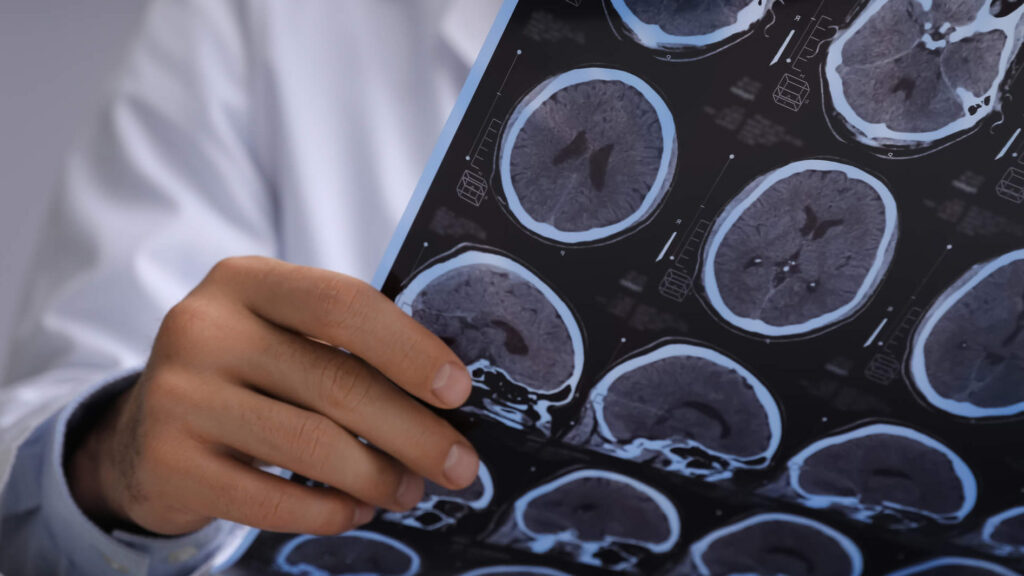
- Neuroimaging Tests: CT scans, an MRI, and other imaging tests can help doctors examine changes to the brain tissue itself as well as the skull and other structures of the cranium.
- Additional Tests for Ongoing Issues: Brian injury symptoms can get better or worse over time, which means that patients will have multiple follow-up visits for additional observation and monitoring. This will help doctors determine the best options for treatment based on the patient’s condition.
Potential Long-Term Effects of Head Trauma in a Car Wreck
Head trauma and brain injuries in a car crash can have devastating and heartbreaking effects on someone’s life, not to mention the lives of people close to them.
- Effect on Cognition: Head trauma can have lasting effects on a person’s short-term memory, long-term memory, ability to multitask, and other aspects of executive function.
- Effect on Physical Health: Severe head trauma can change someone’s overall balance, coordination, muscle control, motor skills, and how their senses function.
- Effect on Emotions and Mental Health: Many people who’ve experienced head trauma struggle with emotional regulation. Some may even have suicidal thoughts and other mental health issus.
- Effect on Relationships: Head trauma may alter someone’s personality, changing the dynamic between family members and friends. The entire relationship may be different after a brain injury.
What Compensation Can I Get for a Head Injury from a Collision?
If you suffered a brain injury during a car crash, you can seek compensation for both economic and non-economic damages.
Economic damages are the tangible losses from your incident. These often have a bill or a receipt. Examples include:
- Past medical expenses
- Ongoing healthcare costs
- Estimated future medical bills
- Damage to property and valuables in the crash
- Lost wages while recovering from injuries
- Diminished earning capacity of a head injury affects your ability to work
Non-economic damages are the subjective losses from your incident. While these kinds of losses are more difficult to calculate and assign value to, they matter in your day-to-day life. Examples include:
- Pain and suffering
- Emotional distress
- Decline in mental health
- Post-traumatic stress disorder
- Lower quality of life
- Impact on relationships
When you work with CPY Law, we will help you understand how much your head trauma case is really worth and seek maximum compensation so you can recover.
How Do Future Medical Costs for Head Trauma Get Estimated?
Estimates for future healthcare costs consider what a person is reasonably expected to need to address their condition. For some brain injuries and types of head trauma, this could mean how much someone will need for the rest of their life.
When estimating these costs, life-care planners will often review findings by doctors and specialists and past medical needs. Life-care planners can then consult with neurologists, neuropsychologists, and rehabilitation specialists to work out future costs associated with care.
Any estimated future medical costs will also account for inflation in the future and how this impacts the costs of various medical services.

When to Consult a Missouri Personal Injury Attorney for a Head Injury Claim
It’s best to speak about your head trauma with a Kansas City personal injury lawyer as soon as possible after your car crash.
Make sure to see a doctor first so your condition can be diagnosed and you can start getting treated for any injuries sustained.
How Long Do I Have to File an Injury Lawsuit in Missouri?
In the state of Missouri, you typically have up to five years from the date of a collision to file a personal injury lawsuit (RSMo § 516.120). If the car crash involved a government entity, you will need to file a formal notice of claim within 90 days of the collision.
Again, do not wait until the last minute. Even if the statute of limitations is five years, it’s best to speak with a lawyer ASAP.
Your attorney will be able to review the collision, consider the severity of your head trauma and any brain injury you’ve sustained, and start building a strong case to seek maximum compensation.
How Long Will My Head Trauma Case Take to Get Resolved?
Unfortunately, there’s no way to provide an estimated timeline for how long a car crash or head trauma case will take. Some cases may be settled within a few months while other cases may take a year or much longer, especially if the case goes to trial.
It’s also worth considering the long-term prognosis for brain damage and brain injuries. It can take time to understand the lasting effects of your injuries on your daily life and future. Settling too early could mean missing out on additional compensation as your condition changes.
When you work with a head trauma lawyer here at CPY Law, we can give you straight answers about your claim. We won’t sugarcoat timelines but instead focus on your health and your recovery. Let us handle the legal fight so you can focus on healing.
Remember: you only pay us if we win.
Contact the Car Crash Lawyers at CPY Law
If you’ve been hurt in a car crash and suffered a concussion or another kind of head trauma, you can count on our attorneys for support and guidance. We’ll hold the negligent parties accountable for their actions and seek maximum compensation for you. For a free consultation with a Kansas City head injury attorney who cares, contact CPY Law today.